You look in the mirror again, sighing at the small red pimples on your chin and forehead. You’ve tried everything: washing your face twice a day, avoiding oily foods, and even using expensive acne creams—but the breakouts just won’t stop. You start to wonder: why does my acne keep coming back, even when I’m “doing everything right”? Could the habits you think are helping actually be making it worse?
E.g. :You Stayed Up Late and Now Your Skin Looks Dull – Sleeping In Won’t Reverse It
- 1、Myth 1: Washing Your Face More Fixes Acne (It Makes It Worse)
- 2、Myth 2: Oily Foods Cause Acne (The Real Diet Culprit)
- 3、Why Your Acne Keeps Coming Back (Hidden Triggers)
- 4、Simple Habits to Keep Acne Away
- 5、FAQs
This frustration is shared by millions of people worldwide. We’ve all been told that acne is just a result of dirty skin or poor diet, but the truth is far more complex. Acne forms when hair follicles get clogged, but the real causes go beyond surface-level dirt. Let’s debunk the myths, break down the science, and share simple changes that actually keep acne at bay.
Myth 1: Washing Your Face More Fixes Acne (It Makes It Worse)
A 2023 study by the American Academy of Dermatology found that 72% of people with acne wash their face 3 or more times a day, thinking it will “clear” their skin. But over-cleansing strips the skin of its natural protective barrier—the oil that keeps skin balanced and prevents irritation.
When the skin’s barrier is damaged, it produces more oil to compensate, clogging pores even more. Harsh cleansers (like those with high alcohol content) also irritate the skin, leading to redness and inflammation—two key triggers for acne. The solution isn’t more washing, but gentler, smarter cleansing.
The Right Way to Clean Acne-Prone Skin
Stick to washing your face twice a day (morning and night) with a mild, non-foaming cleanser. Avoid scrubbing hard—use your fingertips to gently massage the skin, then rinse with lukewarm water. Pat your face dry (don’t rub!) to avoid irritation.

Myth 2: Oily Foods Cause Acne (The Real Diet Culprit)
For years, we’ve been told that pizza, fries, and chocolate cause acne. But a 2022 review in the Journal of the American Academy of Dermatology found that oily foods alone don’t trigger breakouts. The real dietary culprit is high-glycemic index (GI) foods—like white bread, pastries, and sugary drinks.
High-GI foods spike blood sugar, which increases insulin levels. This triggers the body to produce more sebum (oil) and inflammation, both of which clog pores and cause acne. Cutting back on these foods (and adding more whole grains, fruits, and vegetables) can help reduce breakouts over time.
Why Your Acne Keeps Coming Back (Hidden Triggers)
Even with gentle cleansing and a balanced diet, acne can return if you’re missing these hidden triggers:
- Touching your face: Your hands carry bacteria and oil—touching or picking at your face transfers these to your pores, causing clogs.
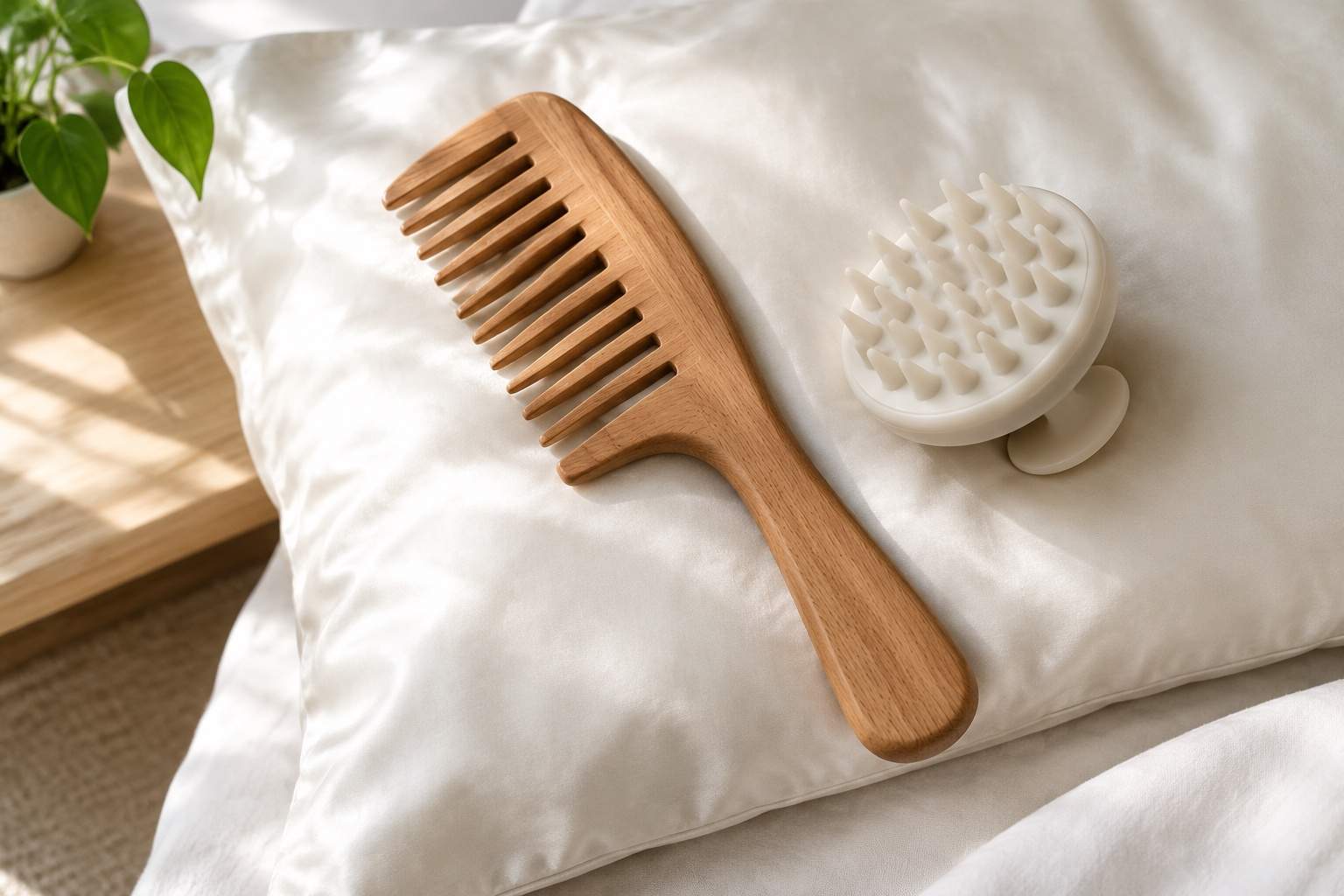
- Dirty pillowcases: Pillowcases absorb oil, sweat, and bacteria overnight. Sleeping on a dirty pillowcase is like putting bacteria directly on your skin.
- Skipping moisturizer: Many people with acne skip moisturizer, thinking it will make their skin oilier. But dry skin triggers more oil production—use a non-comedogenic (non-pore-clogging) moisturizer to keep skin balanced.
Simple Habits to Keep Acne Away
You don’t need expensive products to manage acne—small, consistent habits work best:
- Wash your face twice a day with a gentle cleanser.
- Use a non-comedogenic moisturizer daily (even if you have oily skin).
- Change your pillowcase every 2-3 days.
- Avoid touching your face, and never pick at pimples (this causes scarring!).
- Limit high-GI foods and drink plenty of water.
FAQs
Q: Why do I still get acne even when I wash my face every day?
A: Washing your face removes surface dirt, but acne forms deep in the pores. Over-washing can damage your skin’s barrier, making acne worse. Focus on gentle cleansing and addressing hidden triggers (like dirty pillowcases or high-GI foods).
Q: Are acne patches effective for treating pimples?
A: Yes! Acne patches work by absorbing oil and bacteria from the pimple, while protecting it from further irritation. They’re most effective on small, red pimples (not cystic acne).
Q: How long does it take to see results from changing my skin care habits?
A: Skin cells take about 28 days to renew, so you’ll likely see improvements in 4-6 weeks. Be patient—consistency is key for clear skin.