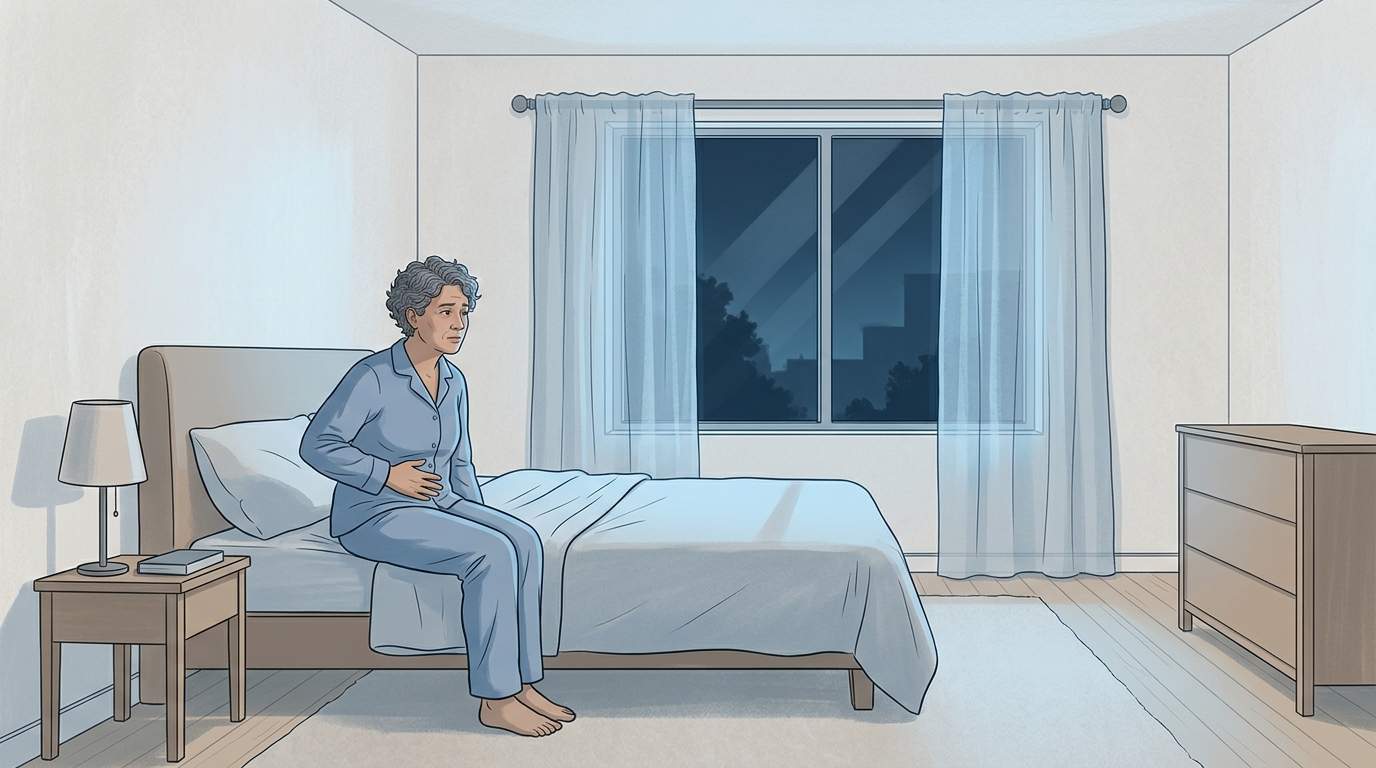
You pull an all-nighter for work. Your skin looks gray and tired the next day. So you sleep in on the weekend, hoping to “catch up.” Monday morning, your skin still looks lifeless.
- 1、What Happens to Your Skin When You Skimp on Sleep
- 2、Why “Beauty Sleep” Is Real – And Catching Up Is Hard
- 3、The Dark Circle Misconception
- 4、How to Minimize Damage When You Can’t Sleep Enough
- 5、When Poor Sleep Signals a Deeper Skin Problem
- 6、FAQs
Most people assume that lost sleep can be repaid like sleep debt. But skin doesn’t work like that. A single night of poor sleep triggers measurable damage – inflammation, water loss, collagen breakdown – that one long sleep cannot fully reverse.
Here’s what the research shows: your skin has its own circadian clock. Disrupting it, even occasionally, leaves marks that last longer than the tired feeling.
What Happens to Your Skin When You Skimp on Sleep
During deep sleep, your skin shifts into repair mode. Blood flow increases. Growth hormone is released, stimulating collagen production. Your skin barrier strengthens.
The Cortisol Connection
When you stay up late, your body releases cortisol – the stress hormone. Cortisol breaks down collagen and elastin, the proteins that keep skin firm and smooth. A 2018 study in Clinical and Experimental Dermatology found that just one night of total sleep loss increased cortisol levels by 45% and reduced skin barrier recovery by 30% the following day.
One night. Thirty percent less ability to hold moisture. That dull, tight feeling isn’t imagination.
Why “Beauty Sleep” Is Real – And Catching Up Is Hard
Sleep deprivation also affects transepidermal water loss (TEWL). A 2019 study exposed participants to controlled sleep loss (4 hours for 5 nights). After five nights, TEWL increased by 25%, and participants’ own ratings of skin “glow” dropped significantly.
Then came the “recovery” phase: two nights of unrestricted sleep (10 hours each). TEWL improved but did not return to baseline. Skin hydration remained below normal.
In other words: you can partially fix sleep debt, but skin repair lags behind. Some damage – especially to the barrier and collagen – requires multiple days of consistent good sleep to reverse.
The Dark Circle Misconception
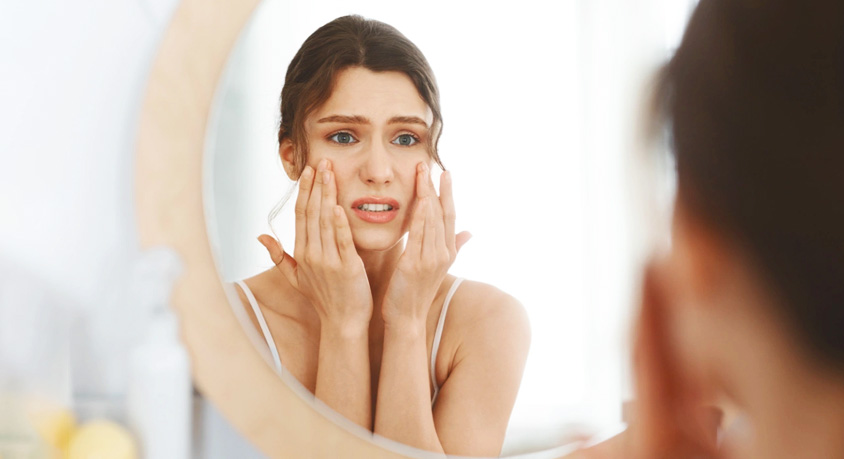
Sleep deprivation causes dark circles and puffiness by dilating blood vessels under the thin under-eye skin. Fluid also pools when you sleep flat after a late night.
Many people believe eye creams alone fix dark circles. But a 2020 study in the Journal of Cosmetic Dermatology found that participants who increased sleep from 5 to 8 hours for 4 weeks had significantly reduced under-eye darkness – without any cream. Creams help, but sleep is the foundation.
How to Minimize Damage When You Can’t Sleep Enough
Sometimes staying up is unavoidable. Here’s how to protect your skin during and after.
During the Late Night
- Stay hydrated with water, not caffeine. Caffeine dehydrates skin.
- Avoid salty snacks – sodium worsens morning puffiness.
- Use a humidifier in your room – dry air accelerates water loss.
The Morning After
- Wash with cool water, not hot – reduces inflammation.
- Apply a niacinamide serum (4–5%) – lowers cortisol-induced redness and boosts barrier repair.
- Use a caffeine-based eye serum – caffeine constricts dilated blood vessels temporarily.
- Wear sunscreen diligently – sleep-deprived skin is more vulnerable to UV damage.
The Next Few Days
Do not sleep 12 hours to “catch up.” Oversleeping disrupts your next cycle. Instead, go to bed 1 hour earlier for 3–5 consecutive nights. This gradual repayment repairs skin barrier more effectively than one long sleep.
When Poor Sleep Signals a Deeper Skin Problem
Chronic poor sleep (insomnia, sleep apnea, shift work disorder) leads to persistent low-grade inflammation. Over months, this accelerates visible aging.
Signs Sleep Is Aging Your Skin
- Fine lines that appeared rapidly within 6 months.
- Persistent redness or sensitivity without new products.
- Slow healing of blemishes or small cuts.
If you sleep poorly despite good habits, consider a sleep study. Treating conditions like sleep apnea not only restores energy but also improves skin hydration and elasticity within 12 weeks, per a 2021 study.
FAQs
Q: Can I reverse years of poor sleep with a good routine?
A: Partially. Some damage (like collagen loss) is cumulative, but consistent good sleep does slow and partially reverse inflammatory aging. The skin barrier is highly responsive – improvement starts within 1–2 weeks of regular 7–9 hour sleep.
Q: Does sleeping on a satin pillowcase really help?
A: Yes, but not for the reasons claimed. Satin and silk reduce friction and absorb less moisture than cotton, so your skin loses less water overnight. This benefits everyone, not just poor sleepers.
Q: Is it better to sleep with or without moisturizer?
A: With. Nighttime TEWL is higher than daytime because your body temperature drops and blood flow shifts. A rich night cream or occlusive (petroleum jelly) applied before bed significantly reduces water loss, partly compensating for poor sleep.