You stand up from a chair, and your knee makes a loud pop. Your hip feels stiff for the first 10 minutes after getting out of bed. You lift your arm, and the shoulder clicks.
E.g. :Stop Nighttime Leg Cramps for Good—They’re Not Just Tired Muscles, Here’s Why
- 1、The “Cracking Is Dangerous” Myth – Why Noise Doesn’t Equal Damage
- 2、Morning Stiffness: What Your Body Is Telling You
- 3、Why Calcium Won’t Fix Your Stiff Joints
- 4、Simple Ways to Improve Joint Mobility Without Pills
- 5、When Stiffness Isn’t Aging: Red Flags to Watch For
- 6、FAQs
Many people assume these sounds and sensations mean arthritis is setting in. They rush to buy calcium supplements or glucosamine pills. But here’s what clinicians rarely say: cracking joints are often harmless, and calcium alone won’t fix stiffness. The real culprit for most aging joints isn’t bone loss – it’s changes in cartilage, synovial fluid, and the muscles around the joint.
The “Cracking Is Dangerous” Myth – Why Noise Doesn’t Equal Damage
That popping sound you hear is usually not bone rubbing on bone. Most joint noise comes from gas bubbles in the synovial fluid – the lubricant inside your joints. When you stretch or stand, the pressure changes, bubbles form or collapse, and you hear a pop.
A 2018 study in Scientific Reports used ultrasound imaging to watch joint cracking in real time. The pop came from gas cavity formation, not from structural damage. Researchers found no link between habitual joint cracking and later arthritis.
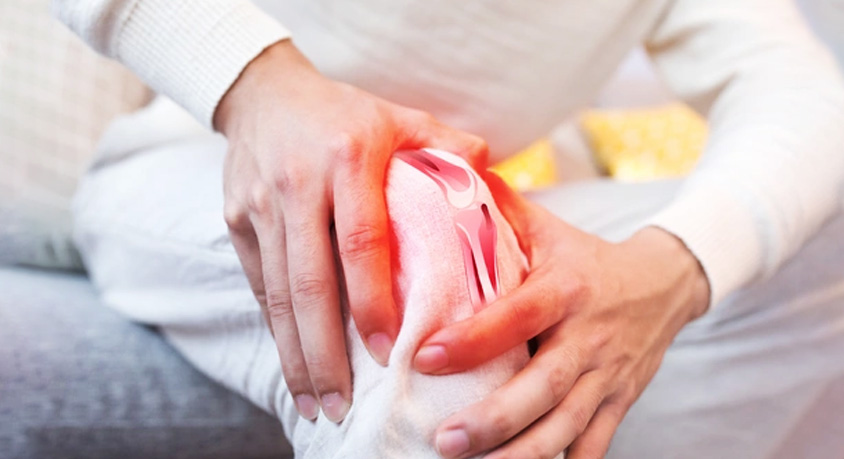
So why do some stiff, noisy joints hurt, while others don’t? The difference is the presence of inflammation. Painless cracking is generally fine. Cracking with swelling, warmth, or sharp pain needs attention.
Morning Stiffness: What Your Body Is Telling You
Feeling stiff for a few minutes after waking is normal as you age. But stiffness lasting longer than 30 minutes is a different story.
The Synovial Fluid Factor
Synovial fluid thins with age. By your 60s, its viscosity can drop by 30–40% (source: Osteoarthritis and Cartilage, 2019). Thinner fluid provides less cushioning and less “morning glide.” This is why your joints feel sticky initially – they need movement to redistribute the fluid.
But prolonged morning stiffness (over 30–45 minutes) suggests low-grade inflammation. This is common in osteoarthritis but even more typical in inflammatory arthritis like rheumatoid arthritis. If your knees or fingers stay swollen and stiff past breakfast, do not assume it’s “just aging.”
Why Calcium Won’t Fix Your Stiff Joints
Calcium is for bones, not for cartilage or ligaments. Osteoporosis and joint stiffness are related but not the same. Taking extra calcium when you already meet daily needs does nothing for creaky knees or stiff hips.
The Real Building Blocks for Cartilage Health
Cartilage is made of collagen and proteoglycans. It has no blood supply – it feeds by absorbing synovial fluid during movement. This is why motion is medicine for aging joints.
If you want to support cartilage health for seniors, focus on three things:
- Movement that compresses and releases cartilage (walking, squats, stairs) – this pumps fluid in and out.
- Omega-3 fatty acids – A 2020 meta-analysis in Rheumatology found that 300mg+ daily omega-3 reduced joint stiffness scores by 22% in older adults over 6 months.
- Maintaining leg and core strength – Strong muscles stabilize joints. Weak quadriceps, for example, increase knee cartilage wear by up to 40% per step.
Simple Ways to Improve Joint Mobility Without Pills
You can reduce morning stiffness and cracking without expensive supplements.
The 5-Minute Morning Mobility Routine
Do this before you get out of bed or right after standing:
- Ankle circles (10 each direction) – warms up synovial fluid in ankles and knees.
- Knee-to-chest stretch (hold 15 seconds each leg) – mobilizes hips and lower back.
- Shoulder rolls (10 forward, 10 backward) – loosens stiff upper joints.
Then, take 50–100 steps indoors before sitting down for breakfast. Movement is the only way to redistribute synovial fluid.
Heat Before Activity, Ice After Overuse
- Heat (warm shower or heating pad) for morning stiffness – increases blood flow and fluid viscosity temporarily.
- Ice for a hot, swollen joint after long walking – reduces inflammation.
A 2017 clinical trial in Archives of Physical Medicine and Rehabilitation showed that heat therapy before exercise improved joint mobility in older adults with knee osteoarthritis by 18%, while ice after activity reduced next-morning stiffness.
When Stiffness Isn’t Aging: Red Flags to Watch For
Sometimes joint stiffness is a sign of something treatable – but only if you don’t ignore it.
Signs You Need a Medical Evaluation
- Stiffness that lasts more than 60 minutes every morning, improving with activity – possible rheumatoid arthritis.
- A single hot, red, swollen joint – possible gout or infection.
- Stiffness accompanied by fatigue, fever, or unexplained weight loss – possible systemic inflammatory disease.
Do not let a doctor dismiss persistent morning stiffness as “normal aging” without running a simple blood test (ESR, CRP, rheumatoid factor). Catching inflammatory arthritis early can prevent permanent joint damage.
FAQs
Q: Should I stop exercising if my joints crack but don’t hurt?
A: No. Painless cracking is safe. In fact, stopping movement makes joints stiffer because synovial fluid thickens without use. Continue exercising. If cracking becomes painful or swollen, see a doctor.
Q: Can dehydration cause joint stiffness?
A: Yes, indirectly. Synovial fluid is 85% water. Mild dehydration (losing just 1–2% of body water) reduces synovial fluid volume and increases friction in animal studies. While human studies are limited, drinking water throughout the day is a low-risk, low-cost habit for joint comfort. Aim for 6–8 cups unless medically restricted.