You wear a dark shirt, and within hours, white flakes appear on your shoulders. Your scalp itches, so you scratch – and more flakes fall.
- 1、The “Dry Scalp” Myth – Why More Moisture Won’t Fix It
- 2、Why One Anti-Dandruff Shampoo Stops Working
- 3、How to Treat Scalp Buildup Without Over-Washing
- 4、When Flakes Aren’t Dandruff – Red Flags to Watch For
- 5、FAQs
So you buy a popular anti-dandruff shampoo. It works for a few weeks, then the flakes come back. You switch to another brand. Same cycle.
Most people assume dandruff is dry skin or poor hygiene. They wash more often or scrub harder. But here’s what’s rarely explained: dandruff is usually not dryness. And using the wrong anti-dandruff shampoo can actually make things worse.
The “Dry Scalp” Myth – Why More Moisture Won’t Fix It
True dandruff is not dry skin. It’s an inflammatory reaction to a yeast called Malassezia that lives naturally on almost every adult scalp.
What Malassezia Does
This yeast feeds on your scalp’s sebum (oil). In some people, the immune system overreacts to yeast byproducts, speeding up skin cell turnover. Instead of shedding invisibly every 2–4 weeks, cells clump into visible flakes – often yellowish, greasy, and itchy.
A 2019 review in the Journal of Clinical and Aesthetic Dermatology confirmed that worsening dandruff correlates with higher Malassezia counts, not with dryness. This is why moisturizing treatments (like coconut oil or heavy conditioners) sometimes worsen flakes – they add more oil for the yeast to eat.
Why One Anti-Dandruff Shampoo Stops Working
Most drugstore anti-dandruff shampoos contain one active ingredient: zinc pyrithione, selenium sulfide, or ketoconazole. These work by slowing yeast growth.
But Malassezia is a living organism. If you use the same ingredient for months, the yeast population shifts, and resistant strains may become dominant. A 2020 study in Mycoses found that after 12 weeks of continuous use of a single antifungal shampoo, effectiveness dropped by nearly 40% in some individuals.
The solution is not to wash more often. It’s to rotate between two different active ingredients every few weeks.
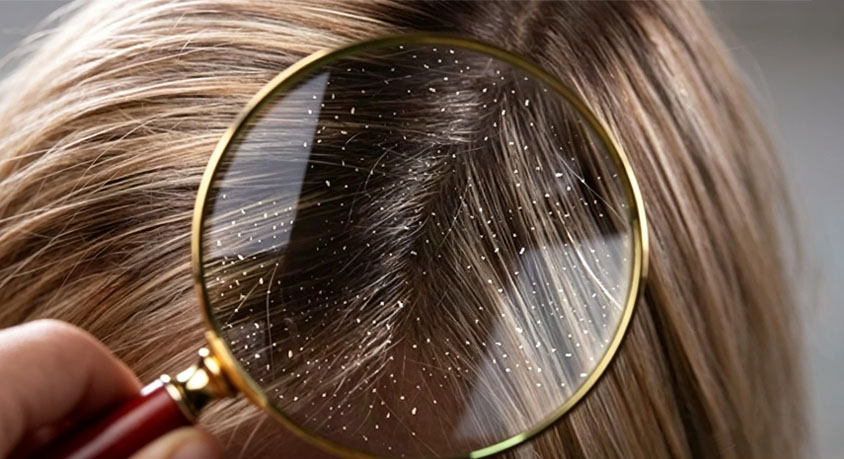
How to Treat Scalp Buildup Without Over-Washing
Over-washing strips the scalp’s protective barrier, which can trigger more inflammation and even more flakes. Here’s a smarter approach.
The Rotation Method
- Week 1–2: Use a ketoconazole shampoo (leave on for 3–5 minutes before rinsing).
- Week 3–4: Use a selenium sulfide or zinc pyrithione shampoo.
- Week 5–6: Use a salicylic acid scalp scrub to gently remove buildup.
Meanwhile, use a gentle, non-medicated shampoo on off-days. Most people need medicated shampoo only 2–3 times per week, not daily.
What About Natural Remedies?
Tea tree oil has mild antifungal effects. A 2018 trial showed 5% tea tree oil shampoo reduced dandruff scores by 41% after four weeks – less effective than ketoconazole (which averages 70–80%) but useful for mild cases. Dilute essential oils properly; never apply undiluted tea tree oil directly to the scalp.
When Flakes Aren’t Dandruff – Red Flags to Watch For
Not all scalp flakes are seborrheic dermatitis (the medical name for dandruff).
Signs You May Have Something Else
- Thick, silvery-white scales on red patches – possible scalp psoriasis.
- Round bald patches with black dots (broken hairs) – possible fungal infection (tinea capitis), more common in children but possible in adults.
- Severe itching with no visible flakes except after scratching – possible head lice or contact dermatitis.
If your scalp is red, sore, or leaking fluid, see a dermatologist. Do not keep using anti-dandruff shampoos for more than two months without improvement.
FAQs
Q: Is dandruff contagious through sharing combs or hats?
A: No. Malassezia yeast lives on almost everyone’s skin. You cannot “catch” dandruff from someone else. In contrast, tinea capitis (ringworm of the scalp) is contagious – that requires prescription antifungals.
Q: Can stress cause dandruff flare-ups?
A: Yes. Stress increases sebum production and alters immune function, which can worsen Malassezia overgrowth. Stress management (sleep, exercise, relaxation) is a legitimate part of dandruff control, though not a replacement for medicated shampoo.
Q: How long should I leave anti-dandruff shampoo on my scalp?
A: At least 3–5 minutes. Most people rinse immediately, which gives the ingredient no time to work. Apply to wet scalp, massage, then do other shower steps before rinsing at the end.