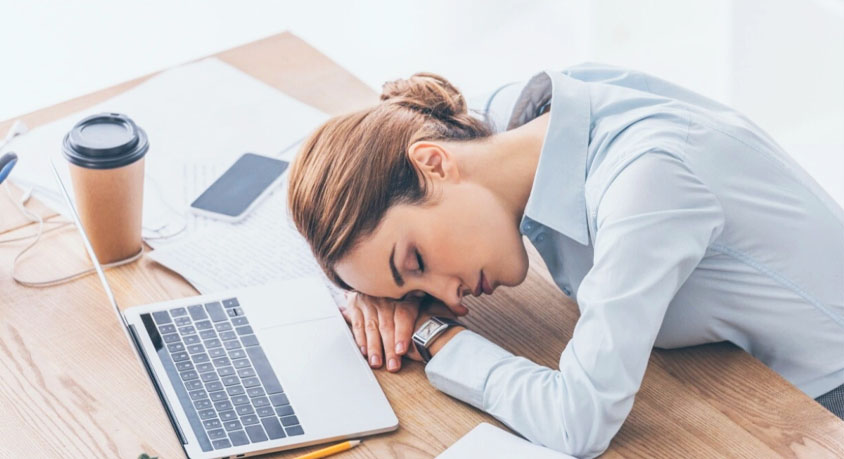
We often praise the early bird, yet our modern world is engineered for the night owl. This fundamental conflict plays out as a quiet, weekly strain: the drag of Monday morning, the restless energy of Sunday night, the afternoon slump no coffee can truly fix. These are not mere symptoms of busy lives, but biological signals. They point to a disconnect between our ancient internal timing systems and the demands of a 24/7 society. This disconnect has a name: social jet lag. It occurs when your innate circadian rhythm—the roughly 24-hour master clock governing your sleep wake cycle, hormone release, and metabolism—is forced out of sync with your daily schedule. The groundbreaking 2017 Nobel Prize-winning science on circadian mechanisms confirmed this isn't a lifestyle choice; it's a core physiological reality with significant health implications. The empowering corollary is that by understanding the signals that set your clock, you can actively work to reset your circadian rhythm and reclaim your energy.
E.g. :Why Daily Hair Washing Isn’t Causing Hair Loss—And What Actually Does
- 1、The Science of Your Master Clock: More Than Just Sleep
- 2、Your Morning Anchor: The 90-Minute Protocol to Reset Your Circadian Rhythm
- 3、The Night Owl's Guide to Minimizing Social Jet Lag
- 4、Advanced Protocols for Time Zones and Shift Work
- 5、The Long-Term Payoff of Circadian Alignment
- 6、FAQs
The Science of Your Master Clock: More Than Just Sleep
Your circadian rhythm is orchestrated by a tiny region in your brain called the suprachiasmatic nucleus (SCN). Think of it as a meticulous conductor, using external cues—primarily light—to keep every system in your body playing in harmony. The most powerful instrument in this orchestra is melatonin production. As darkness falls, your SCN signals the pineal gland to release melatonin, a hormone that prepares your body for sleep. Morning light, particularly the blue wavelengths in sunlight, acts as the "off switch" for melatonin and the "on switch" for alertness-promoting hormones like cortisol. This elegant system, fine-tuned over millennia, is now besieged by artificial light at night and limited light during the day, leading to the chronic state of social jet lag.
Your Morning Anchor: The 90-Minute Protocol to Reset Your Circadian Rhythm
The single most effective action to reset your circadian rhythm happens within the first 90 minutes of your day. This "anchor period" powerfully signals to your SCN that the day has begun, setting the countdown for your evening melatonin production.
Non-Negotiable Step: Prioritize Morning Sunlight Exposure. Within 20-30 minutes of waking, seek bright light. Go outside for 10-15 minutes. Why? Light intensity is measured in lux. Indoor lighting is often under 500 lux, while a sunny morning can be over 50,000 lux. Even on an overcast day, outdoor light can exceed 10,000 lux. This high-intensity light is the primary driver for syncing your sleep wake cycle. It suppresses melatonin more effectively and reliably than any cup of coffee, addressing fatigue at its root cause.
Supporting Cues: Movement and Fuel. Reinforce the light signal with physical activity—a brief walk, some stretches—and a nourishing breakfast with protein. These provide secondary timing cues to peripheral clocks in your muscles and organs, solidifying the "daytime" message throughout your body.
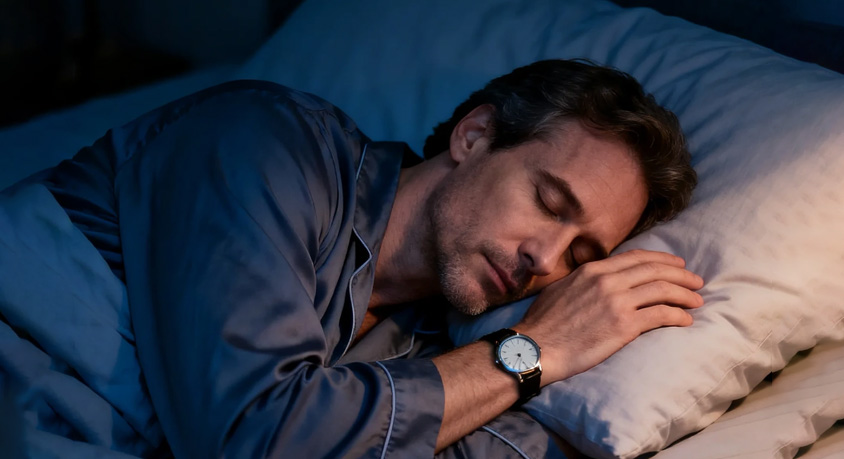
The Night Owl's Guide to Minimizing Social Jet Lag
If your natural chronotype leans later, fighting biology is futile. The strategy shifts from radical change to intelligent mitigation of social jet lag.
Anchor Your Wake Time, Even on Weekends. Consistency is key. Set a fixed wake-up time and stick to it every day, varying by no more than 60 minutes on weekends. Sleeping in significantly disrupts your clock, creating a weekly jet lag effect that makes Monday mornings feel like a genuine time zone shift.
Become a Connoisseur of Evening Light. Your mission after sunset is to protect your natural melatonin production. Use "Night Shift" or f.lux on devices 2-3 hours before bed. Consider wearing blue light blocking glasses for evening screen use. Dim overhead lights and opt for warmer, dimmer lamps. This creates a synthetic "dusk" that encourages your body to begin its sleep preparation.
Advanced Protocols for Time Zones and Shift Work
Extreme schedule disruptions require a tactical, light-based approach. The goal is to use timed light exposure to deliberately shift your sleep wake cycle.
For Adjusting After Eastward Travel (e.g., flying from LA to NY):
Goal: Advance your clock (fall asleep earlier).
Protocol: Seek bright morning sunlight at your destination. Avoid bright light in the late afternoon and evening.
For Adjusting After Westward Travel (e.g., flying from NY to CA):
Goal: Delay your clock (stay up later).
Protocol: Seek bright light in the late afternoon and early evening. Wear sunglasses and avoid bright light in the early morning.
A Note on Supplemental Melatonin: For significant shifts, a small dose (0.5-3 mg) of melatonin can be a useful timing signal. For eastward travel, take it 30-60 minutes before your target bedtime at the new location. It is not a sleeping pill but a chemical cue. Consult a healthcare professional before starting any supplement.
The Long-Term Payoff of Circadian Alignment
Chronic social jet lag is more than an inconvenience. Studies, including one published in Sleep Medicine Reviews, link it to increased risks for weight gain, metabolic issues, mood disturbances, and impaired immune function. Investing in circadian rhythm reset is an investment in systemic resilience. You are not just optimizing sleep; you are aligning the fundamental rhythm that coordinates your biology. Start simply: master your morning light and protect your evening darkness. Observe the subtle improvements in your energy, focus, and digestion. These are the true metrics of a clock well-tuned.
FAQs
Q: Can I permanently change my chronotype from a night owl to a morning person?
A: Your underlying chronotype has a strong genetic component. The goal of resetting your circadian rhythm is not to override your nature but to optimize your rhythm's phase—shifting it to an earlier, more socially compatible point while respecting your tendencies. Consistency with morning light and wake time is the most effective tool for achieving this shift and minimizing social jet lag.
Q: Is it safe to use melatonin supplements every night to help me fall asleep?
A: Melatonin production is a natural bodily process. Using supplemental melatonin as a nightly sleep aid can be counterproductive and is not typically recommended for long-term, routine use. It is most effective as a short-term, strategic tool for adjusting your clock's timing (like with jet lag). Regular use without addressing light exposure and schedule can mask the root causes of sleep initiation problems. Focus first on behavioral light hygiene, and consult a doctor for personalized advice.