You step into the shower after a long day, reaching for that familiar bottle that promises a "deep clean" and "invigorating freshness." You scrub until you hear that literal squeak of cleanliness, believing you are washing away the stressors of the city. Yet, a few hours later, your roots feel inexplicably greasy, or perhaps you notice an increasing number of strands circling the drain. It feels like a betrayal of effort. You are doing more, yet the result is less—less volume, less shine, and more frustration.
E.g. :Why Your Skin Stays Dry Even After Mists and Masks – The Hydration Habit That Backfires
- 1、The Myth of the Squeaky Clean Scalp and Hair Thinning
- 2、Understanding the Scalp Microbiome as a Living Shield
- 3、Sebum Regulation and the Internal Logic of Oil Production
- 4、The Logic of Cellular Repair in Hair Regeneration
- 5、Shifting Your Hair Care Philosophy Toward Longevity
- 6、FAQs
I’ve found that many of our modern hygiene habits are built on a flawed industrial logic: the idea that the human body is a dirty surface to be sanitized. In reality, your scalp is a complex, living ecosystem. When we chase that "squeaky clean" feeling, we aren't just removing dirt; we are dismantling a sophisticated biological shield. To understand why your hair might be losing its vitality, we have to look past the strands themselves and dive into the microscopic world of the Scalp Microbiome and the delicate chemistry of Sebum Regulation.
The Myth of the Squeaky Clean Scalp and Hair Thinning
The most common misconception in hair care is that oil is the enemy. We treat sebum—the natural oil produced by your glands—as a waste product to be eradicated. However, from a biological perspective, sebum is a vital component of your immune system. It creates an acid mantle that protects the skin from pathogens and keeps the hair shaft flexible.
When you use harsh surfactants to strip this layer away daily, you trigger a "rebound effect." Your body senses the sudden dryness and overcompensates by producing even more oil, leading to the oily-root-dry-end paradox. More importantly, this aggressive stripping can lead to Micro-inflammation around the hair bulb. Research published in the Journal of Investigative Dermatology indicates that chronic scalp inflammation is a significant, often invisible, precursor to Hair Thinning. We are essentially "over-farming" our scalp until the soil can no longer support the crop.
Understanding the Scalp Microbiome as a Living Shield
Beneath the visible surface lies a bustling community of bacteria and fungi known as the Scalp Microbiome. This ecosystem is your first line of defense against environmental stressors. In a healthy state, these microbes live in a symbiotic balance. However, modern lifestyles—characterized by high-pH cleansers and hard water—can cause a state of dysbiosis.
When the microbiome is disrupted, opportunistic organisms can take over, leading to itching, flaking, and a weakened skin barrier. This is not just a cosmetic nuisance. A study from the International Journal of Trichology suggests that an unbalanced microbiome can impair the transition of hair from the resting phase to the growth phase. If the "biological neighborhood" is hostile, the follicle remains dormant for longer, leading to a noticeable loss of density over time.
The Role of pH Balance in Microbial Health
Your scalp naturally maintains a slightly acidic pH of around 5.5. Most commercial soaps are alkaline, which shocks the microbiome and swells the hair cuticle. Maintaining acidity is the "logic" behind why traditional remedies like diluted apple cider vinegar often yield better results than high-tech, aggressive cleansers.
Sebum Regulation and the Internal Logic of Oil Production
To solve the issue of oily hair, we must stop fighting the oil and start understanding its regulation. Sebum Regulation is an endocrine-driven process influenced by stress, diet, and topical habits. When we strip the scalp, we send a distress signal to the sebaceous glands.
High-net-worth individuals and high-performers often experience "stress-induced oiliness." Cortisol, the stress hormone, directly stimulates oil production. If you combine internal stress with external over-cleansing, you create a perfect storm of Follicle Health degradation. The hair follicle becomes "choked" by excessive, oxidized sebum and inflammatory markers. Achieving Follicle Health requires a transition from "cleaning" to "managing," allowing the scalp’s internal feedback loops to recalibrate.
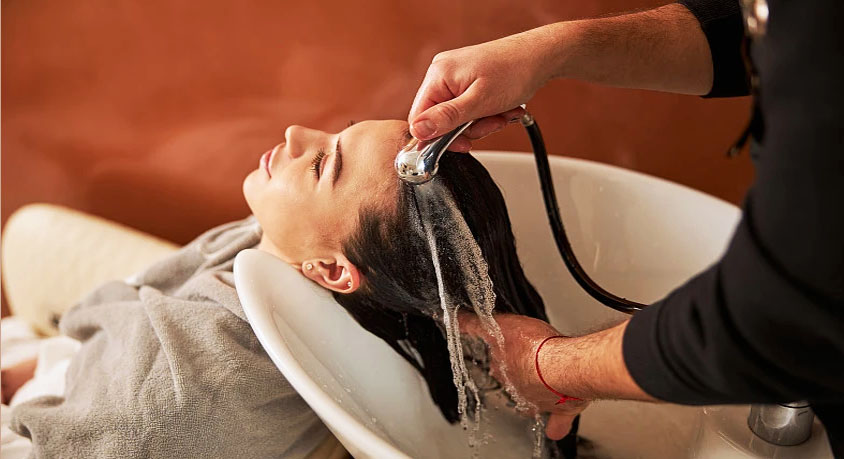
The Impact of Hard Water on Sebum Quality
It is not just about the shampoo; it is about the solvent. Hard water contains minerals like calcium and magnesium that bind to sebum, creating a "soap scum" that is incredibly difficult to rinse away. This film can clog pores and irritate the scalp, further fueling the cycle of inflammation.
The Logic of Cellular Repair in Hair Regeneration
Hair growth is one of the most energy-intensive processes in the human body. Each follicle is a miniature organ that requires a constant supply of nutrients and oxygen. When the scalp environment is compromised by inflammation or poor circulation, Cellular Repair mechanisms are diverted away from the hair bulb to focus on "putting out fires" on the skin surface.
By shifting to a "low-intervention" approach, we allow the body to prioritize hair synthesis. This involves using gentle, sulfate-free cleansers that respect the lipid barrier and incorporating mechanical stimulation, such as scalp massage, to encourage blood flow. The goal is to create a "biologically quiet" environment where the follicle can devote its resources to building keratin rather than defending itself against its owner's cleaning habits.
Shifting Your Hair Care Philosophy Toward Longevity
True hair health is not found in a miracle product, but in the restoration of biological balance. We must move away from the "symptom-fix" mentality—buying a dry shampoo for oil or a volumizer for thinning—and instead adopt a strategy of ecosystem management.
This means embracing the "transition period." When you stop over-cleansing, your scalp may take two to three weeks to realize it no longer needs to overproduce oil. It requires patience and a bit of intellectual grit to withstand the "greasy phase," but the reward is a self-regulating, resilient scalp. By respecting the Scalp Microbiome and focusing on Follicle Health, you aren't just grooming; you are practicing a form of sophisticated biological stewardship.
FAQs
Q: Does skipping shampoo really help with hair growth?
A: Skipping shampoo doesn't "cause" growth, but it prevents the damage that stops growth. By reducing the frequency of washing, you minimize Micro-inflammation and allow the Scalp Microbiome to stabilize. A healthy, non-inflamed scalp provides the optimal environment for the follicle to remain in the growth phase (anagen) for a longer duration.
Q: Why does my scalp feel itchy even though I wash it every day?
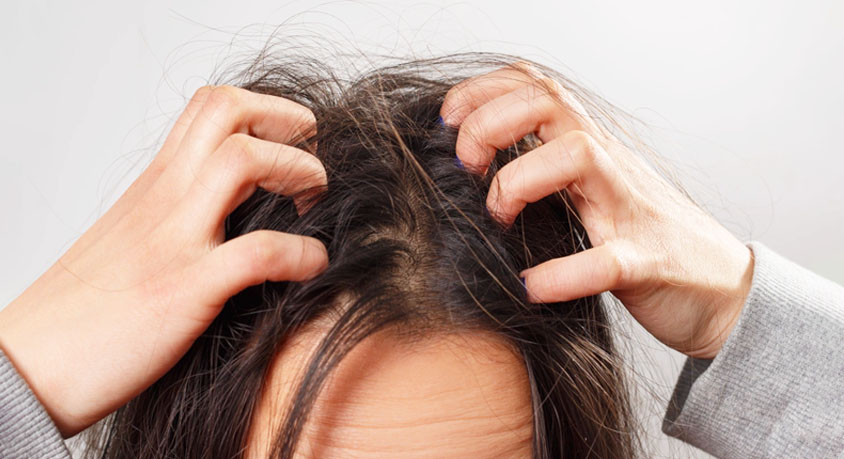
A: Itching is often a sign of a compromised skin barrier or a microbiome imbalance, not a lack of cleanliness. Daily washing with harsh detergents strips the protective lipids, causing the skin to dry out and crack on a microscopic level. This allows irritants to penetrate deeper, triggering an immune response that manifests as an itch.
Q: Can diet really change the way my scalp feels?
A: Absolutely. Your sebaceous glands respond to insulin and androgens. High-sugar diets can spike insulin, which in turn increases Sebum Regulation towards higher output. Furthermore, a diet lacking in Omega-3 fatty acids can lead to a "thicker," more inflammatory sebum that is more likely to clog follicles and disrupt Follicle Health.