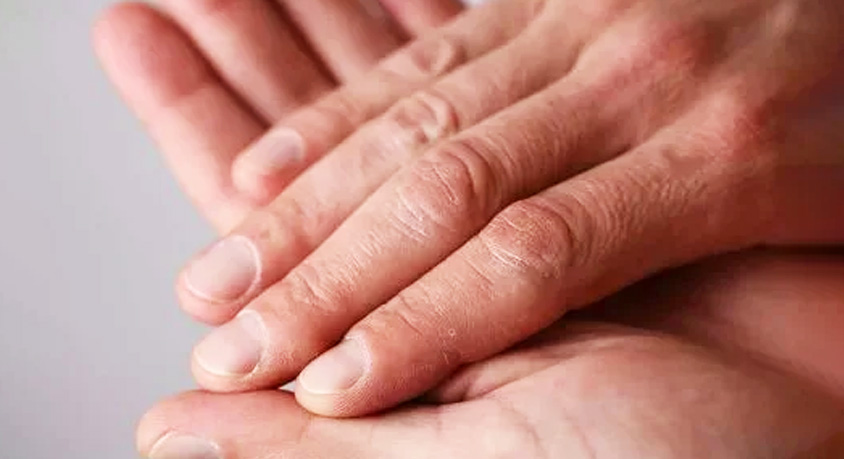
You wash your hands ten times a day – after the bathroom, before cooking, after touching surfaces. Your hands are now red, rough, and cracked. Knuckles sting when you move your fingers. You apply hand cream after every wash. The cracks only get deeper.
- 1、The Soap Damage You Can’t See (Until It’s Severe)
- 2、Why “Moisturizing” Soaps Are Often Worse
- 3、How to Wash Hands Without Destroying Your Skin
- 4、The Overnight Repair Method That Works
- 5、When Cracked Hands Need Medical Attention
- 6、FAQs
Most people assume the solution is more or thicker moisturizer. They buy “intensive” creams and reapply constantly. But here’s what dermatologists know: the real problem isn’t a lack of oil. It’s that you’re damaging your skin barrier faster than any cream can repair it. Until you change how you wash, no moisturizer will fully heal your hands.
The Soap Damage You Can’t See (Until It’s Severe)
Soap and water do two things: remove dirt and strip natural lipids. Your hands have fewer oil glands than any other part of your body except your lips. Each wash removes a thin layer of protective fats.
The Cumulative Effect
A 2018 study in the Journal of Occupational Medicine and Toxicology measured skin barrier function in healthcare workers who washed hands 15+ times daily. After just one week, transepidermal water loss (TEWL) increased by 45%. Within a month, visible cracking appeared in nearly 40% of participants – despite regular moisturizer use.
The problem is that hand cream sits on top of damaged skin. It cannot rebuild the lipid barrier fast enough if you keep stripping it every few hours. You’re essentially painting over crumbling drywall.
Why “Moisturizing” Soaps Are Often Worse
Many soaps labeled “moisturizing” contain added oils to reduce the stripping effect. But they also contain surfactants (SLS, SLES) that damage the barrier. The added oils cannot compensate for the surfactant damage.
Antibacterial Soaps Are Even Harsher
Antibacterial soaps contain triclosan or benzalkonium chloride, which are more irritating than regular detergents. A 2019 FDA review confirmed that antibacterial soaps offer no health benefit over plain soap for the general public – but they significantly increase dryness and irritation.
For routine handwashing, use plain, fragrance-free, SLS-free liquid soap. The fewer ingredients, the better.
How to Wash Hands Without Destroying Your Skin
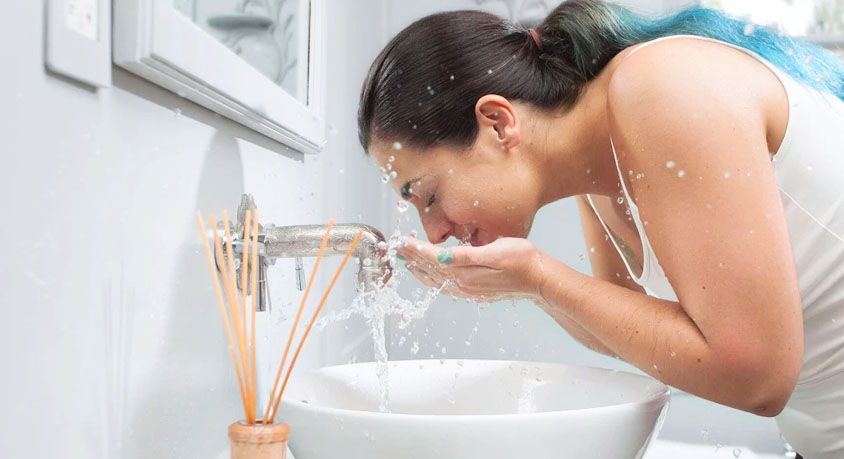
You cannot stop washing your hands. But you can change how you do it.
1. Use Lukewarm Water, Not Hot
Hot water removes natural oils faster. A 2020 study found that washing with 45°C (113°F) water stripped three times more lipids than 30°C (86°F) water. Comfortable lukewarm is enough to remove germs.
2. Pat Dry, Don’t Rub
Rubbing with a rough paper towel creates micro-tears in already fragile skin. Pat gently, then leave hands slightly damp before applying moisturizer.
3. Apply Moisturizer Within 30 Seconds
Damp skin absorbs creams 80% better than dry skin. Keep a small tube of hand cream next to every sink.
4. Moisturizer Ingredients That Actually Work
- Ceramides – Directly replace lost skin barrier lipids.
- Urea (5–10%) – Hydrates and gently breaks down dead, cracked skin.
- Petroleum jelly – Use as a final occlusive layer at night.
- Niacinamide – Reduces inflammation and boosts ceramide production.
Avoid creams with fragrances, alcohol, or essential oils – all common irritants on damaged hands.
The Overnight Repair Method That Works
During the day, washing will always strip some barrier. At night, you have 6–8 hours of uninterrupted repair time.
How to Do It
- Before bed, wash hands gently with lukewarm water and mild soap.
- Pat dry, leaving slightly damp.
- Apply a thick layer of ceramide-rich cream.
- Follow with a thin layer of petroleum jelly (locks everything in).
- Wear soft cotton gloves overnight.
A 2021 trial in Dermatitis showed that this overnight occlusion method improved skin hydration by 130% and repaired barrier function in less than 5 days – even in people with moderate hand eczema.
When Cracked Hands Need Medical Attention
Most dry, cracked hands improve with barrier protection and smart washing. But some cases are actual dermatitis needing prescription treatment.
Signs You Need a Doctor
- Cracks that bleed or ooze clear fluid.
- Intense itching with small blisters (dyshidrotic eczema).
- Redness that extends up the wrists in a distinct border.
- No improvement after 2 weeks of the overnight glove method.
Your doctor may prescribe a short course of topical steroid (to stop inflammation) or recommend patch testing for contact allergies. Do not use over-the-counter hydrocortisone for more than 7 days without guidance – it thins skin with long use.
FAQs
Q: Are alcohol-based hand sanitizers better or worse for dry hands?
A: Worse for barrier damage, but better for not stripping lipids? Actually, sanitizers dry hands differently – alcohol removes surface oils but does not strip structural lipids the way soap and water do. Many people find sanitizers less irritating than frequent washing. Use 70% alcohol sanitizer when hands are not visibly dirty. When washing is necessary, follow the steps above.
Q: Can I use coconut oil as a hand moisturizer?
A: It helps, but it’s not optimal. Coconut oil is an emollient (softens) but has weak barrier repair properties. It lacks ceramides. Use it as a secondary ingredient, not a replacement for ceramide creams or petroleum jelly.
Q: Do cotton gloves work under rubber gloves for wet work?
A: Yes. Wearing thin cotton gloves inside rubber or nitrile gloves absorbs sweat and reduces friction. This is the standard dermatologist recommendation for anyone who must wash dishes or clean with wet hands. Change cotton gloves if they become damp.